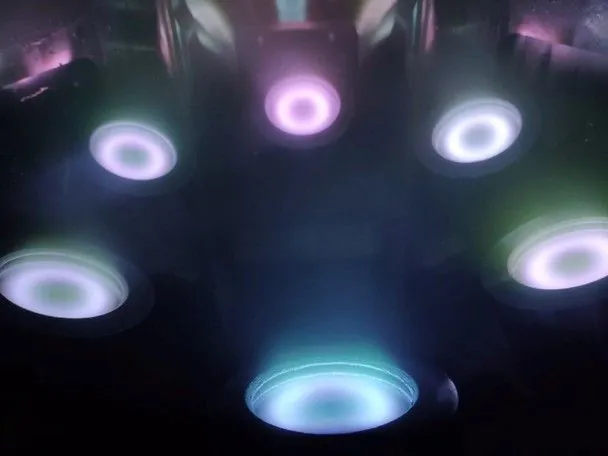
Combinatorial materials libraries
Which composition on the substrate performs best?

Applications
Real materials are rarely uniform. Composition, structure, thickness, chemistry, and function change across wafers, coatings, manufactured parts, and natural specimens. Swissmapper keeps those variations aligned across complementary measurements, turning each sample into a directly comparable physical map.
Which composition on the substrate performs best?
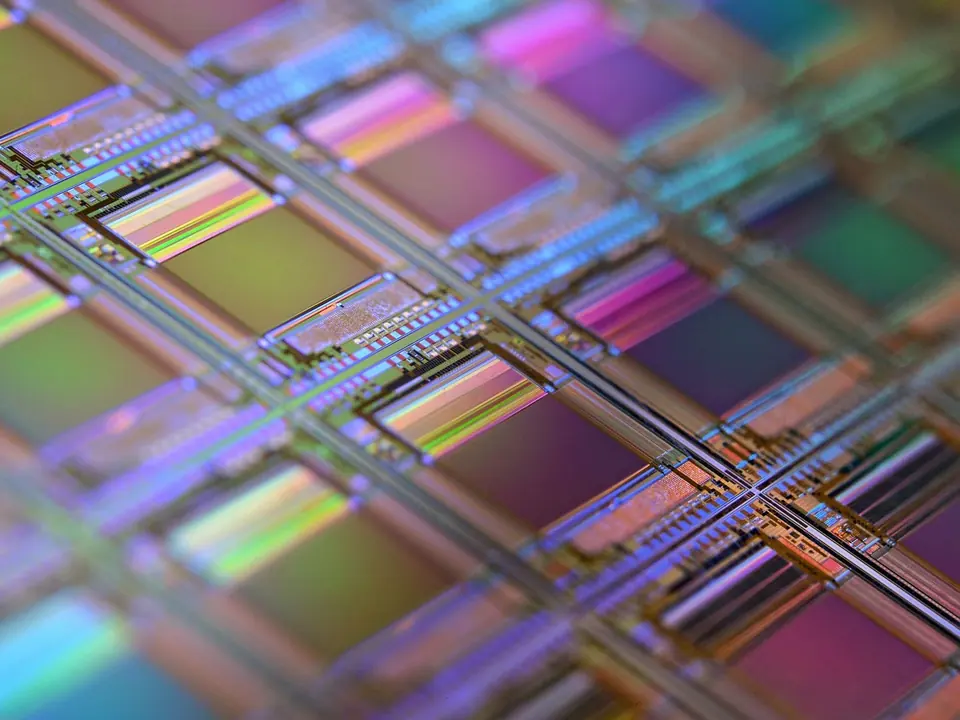
How uniform is the film, right up to the edge?
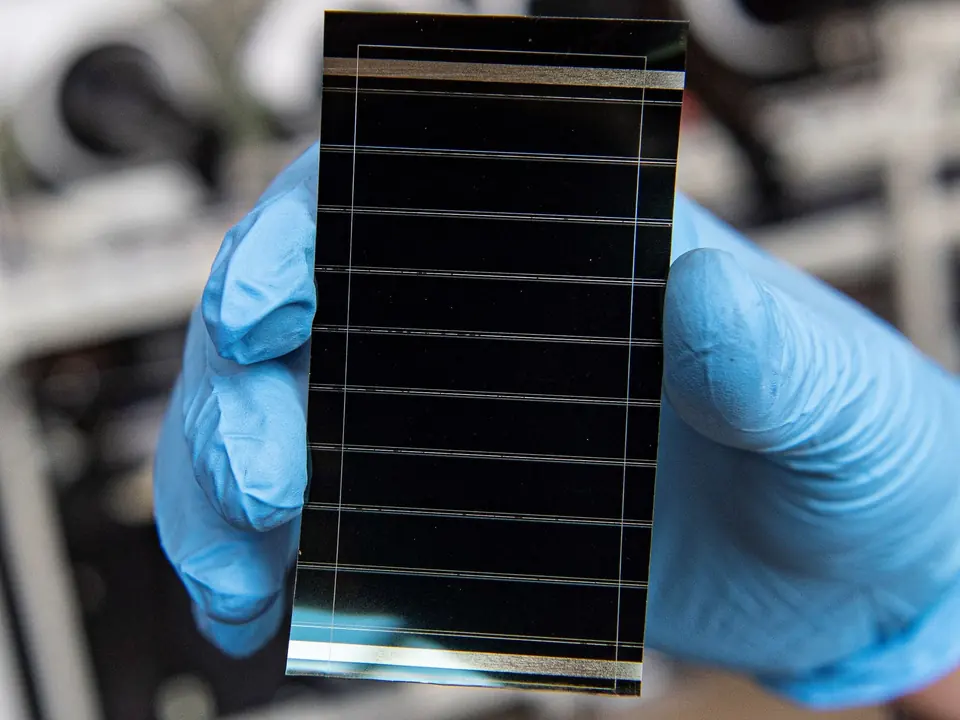
Where do drying fronts and agglomerates form?
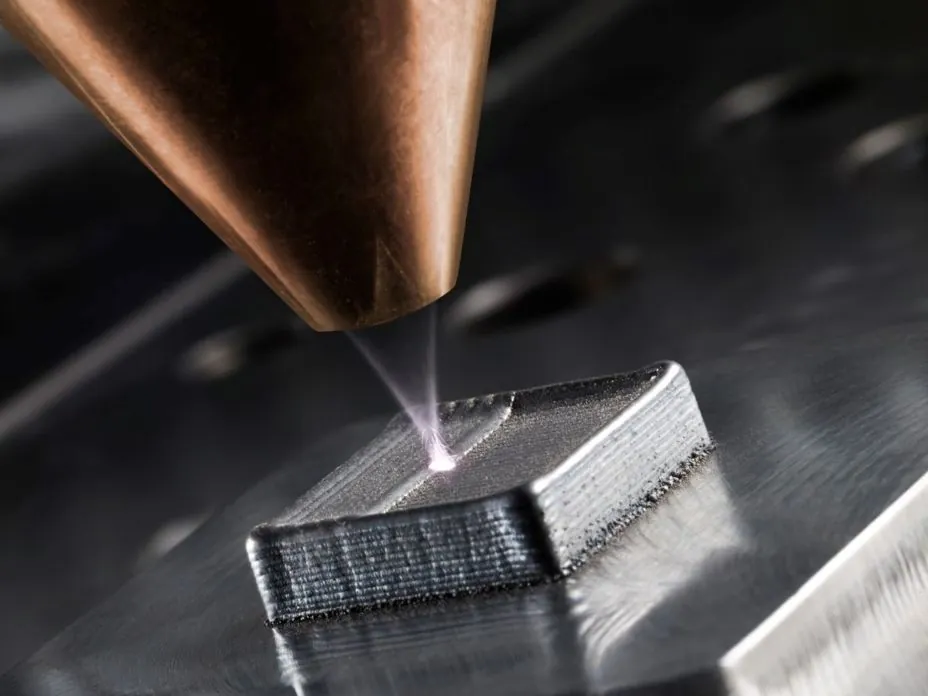
Where did the build leave porosity and phase changes?
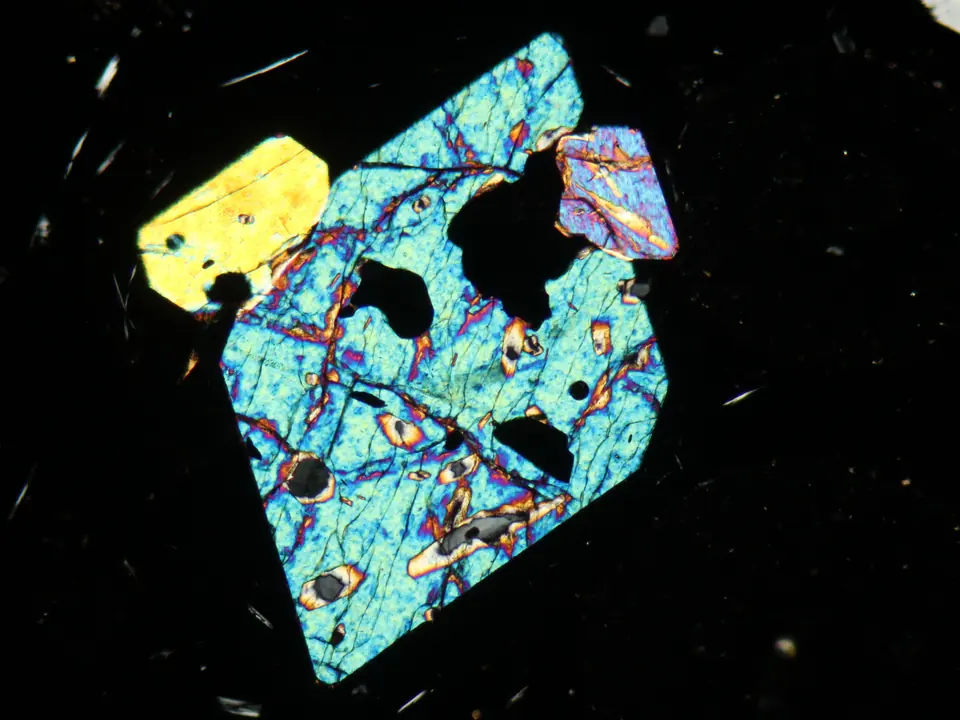
Where are the phases, inclusions and alteration zones?
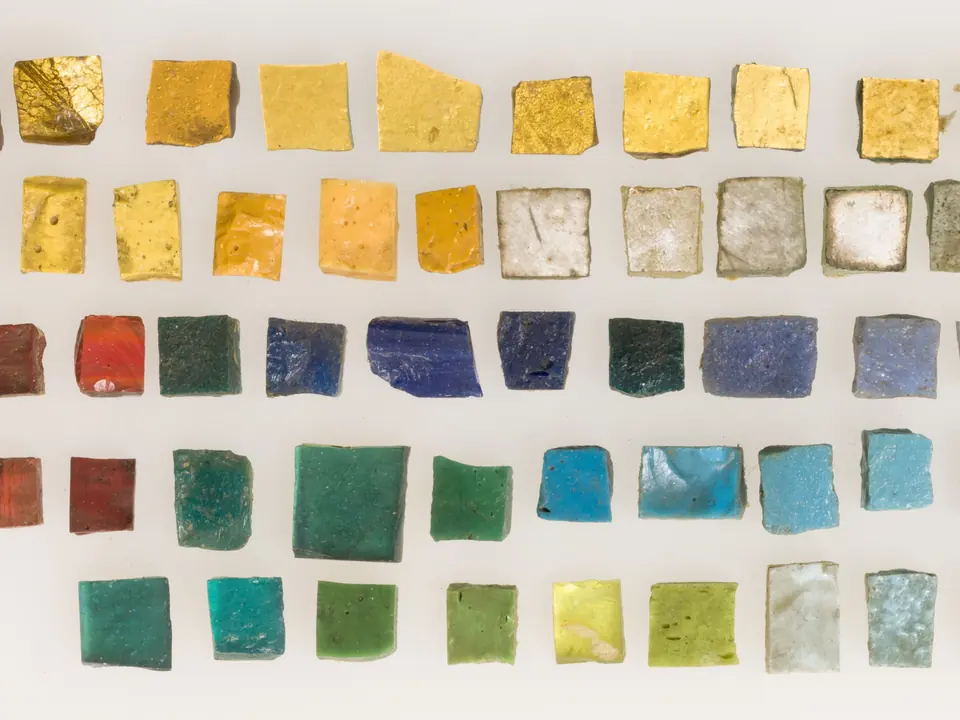
Which layers are original, degraded or restored?
Publications
Peer-reviewed studies that used the Swissmapper platform. Search by material, method or author, or filter by sample family.
Refractory multi-principal element alloys offer high melting temperatures and compositional flexibility for structural applications under extreme conditions. In the Nb–Ti–Zr ternary system, Zr confers corrosion resistance and a low neutron capture cross-section, while Nb stabilizes the body-centered cubic (BCC) phase across a wide composition space, and Ti, the lightest constituent, lowers the alloy density. Here we report the first additive manufacturing of Nb₂₅Ti₂₀Zr₅₅ by laser powder bed fusion (LPBF) and laser directed energy deposition (LDED) from a single prealloyed powder. Both routes produced intact builds with sparse pores across much of the processing window, with cracking confined to part of the LPBF range. Electron backscatter diffraction and X-ray diffraction indexed a predominantly body-centered cubic microstructure at Zr contents of 50.4 to 55.5 at.% across both routes. Ti evaporated preferentially, falling 9.5 at.% from the feedstock in LPBF, yet the BCC phase was retained. The LPBF composition was uniform across the processing window. The LDED composition varied with energy density and approached the LPBF value only at the highest energy density. LPBF gave finer grains (96 μm) than LDED (140 μm) at equivalent hardness (H = 2.73 to 2.90 GPa) and Young’s modulus (E = 79 to 83 GPa).
Nanotwinned crystalline-glass composite thin films achieve enhanced performance by effectively utilizing the complementary properties of both phases. Combinatorial sputtering emerges as a powerful tool to discover new materials with targeted properties. In this study, by co-sputtering Cu, Ti, and Re, Cu-rich crystalline-metallic glass composites with high strength and thermal stability are fabricated. They exhibit a unique columnar microstructure with alternating inclined Cu-rich crystalline phase and Cu-rich metallic glass. Inside the crystalline columns are abundant nanotwins with a twin spacing of around 5 nm, and the amorphous column has a thickness of around 20 nm. At room temperature, this bamboo-like structure deforms in a rather homogenous manner due to the co-deformation of the crystalline phase and a thin layer of metallic glass. It manifests a high yield strength ~2.3 GPa, which still retains and even slightly increases (2.7 GPa) after heat treatment up to 550°C. The lasting high strength predominantly results from the thermal stability of nanograins and nanotwins, whose growth is thermodynamically unfavorable compared with structural relaxation in metallic glass columns, enabling their application as high-performance coatings in cutting tools, microelectronics, aero-space, energy systems, medical devices, and advanced optical technologies.