
Data & AI
Big physical data
Built-in AI and machine learning help you analyze measurements, uncover relationships, and guide the next experiment. Swissmapper keeps raw data, experimental context, and results connected in a structured foundation, preparing your lab to adopt new models and tools as they emerge. Every experiment adds to a dataset your institution can keep learning from.
Infrastructure
One environment, accessible from anywhere
Your lab
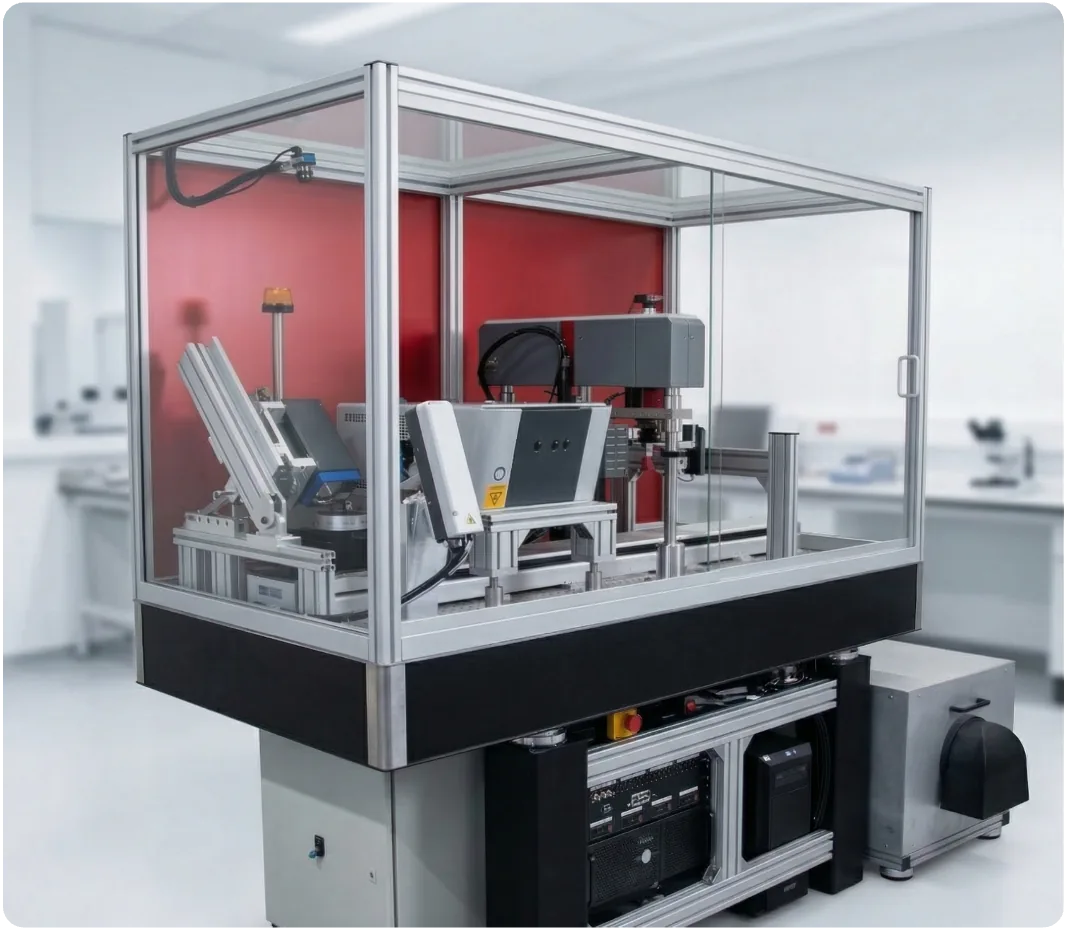
Hosted for you
Managed, secure and always available
Central database
Large datasets kept next to compute
Combimap web application
Processing and insights
GPU compute
Elastic hours that scale with each workload
Local LLM Optional
Language model that runs next to your data
Anywhere
In the browser, with no local setup
Your team
External partners
Facility users
Software
Inside Combimap
The web application your team opens in the browser: analysis workflows, AI and your data hub in one place.
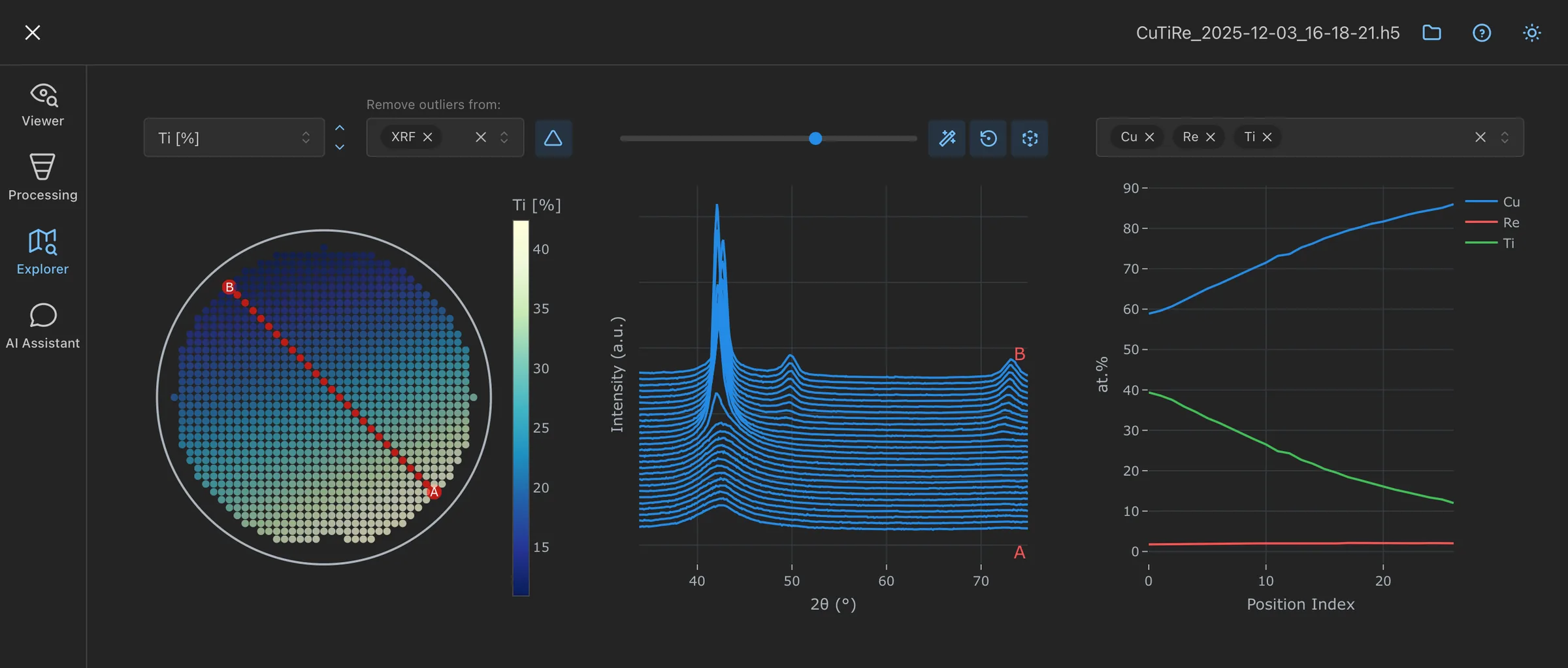
Intuitive analysis workflows
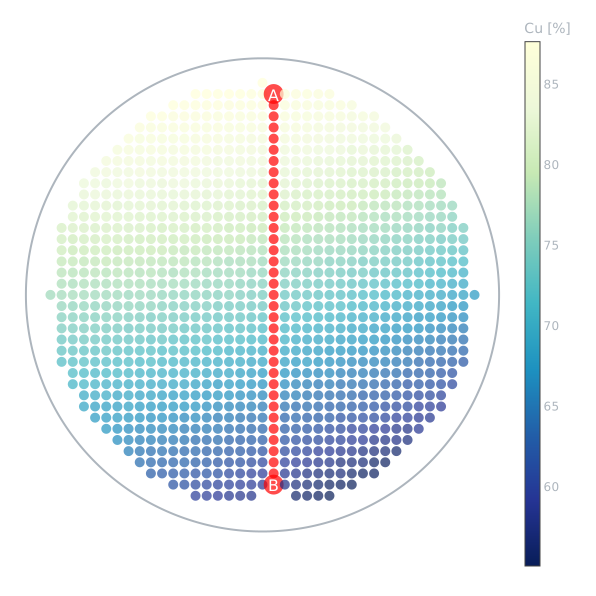
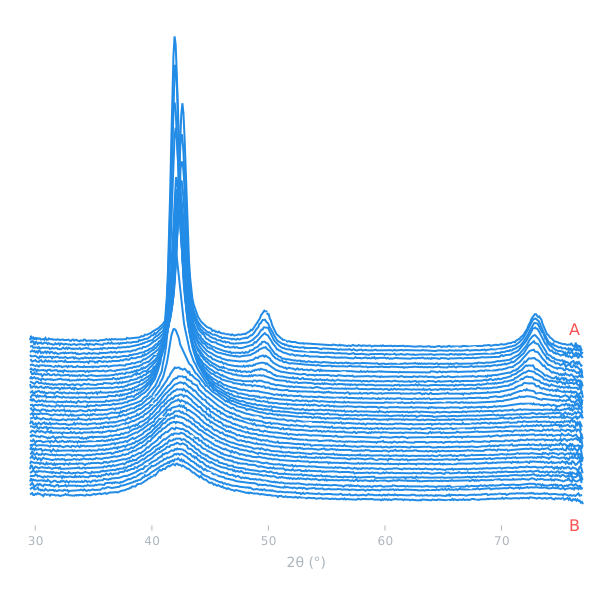
Explore spatial maps and raw signals as they arrive, with every derived result linked back to its source. Compare locations, overlay complementary methods, and build complete analyses in the browser without exporting files or rebuilding plots. The same workflow can be reviewed, shared, and reproduced across researchers and projects.
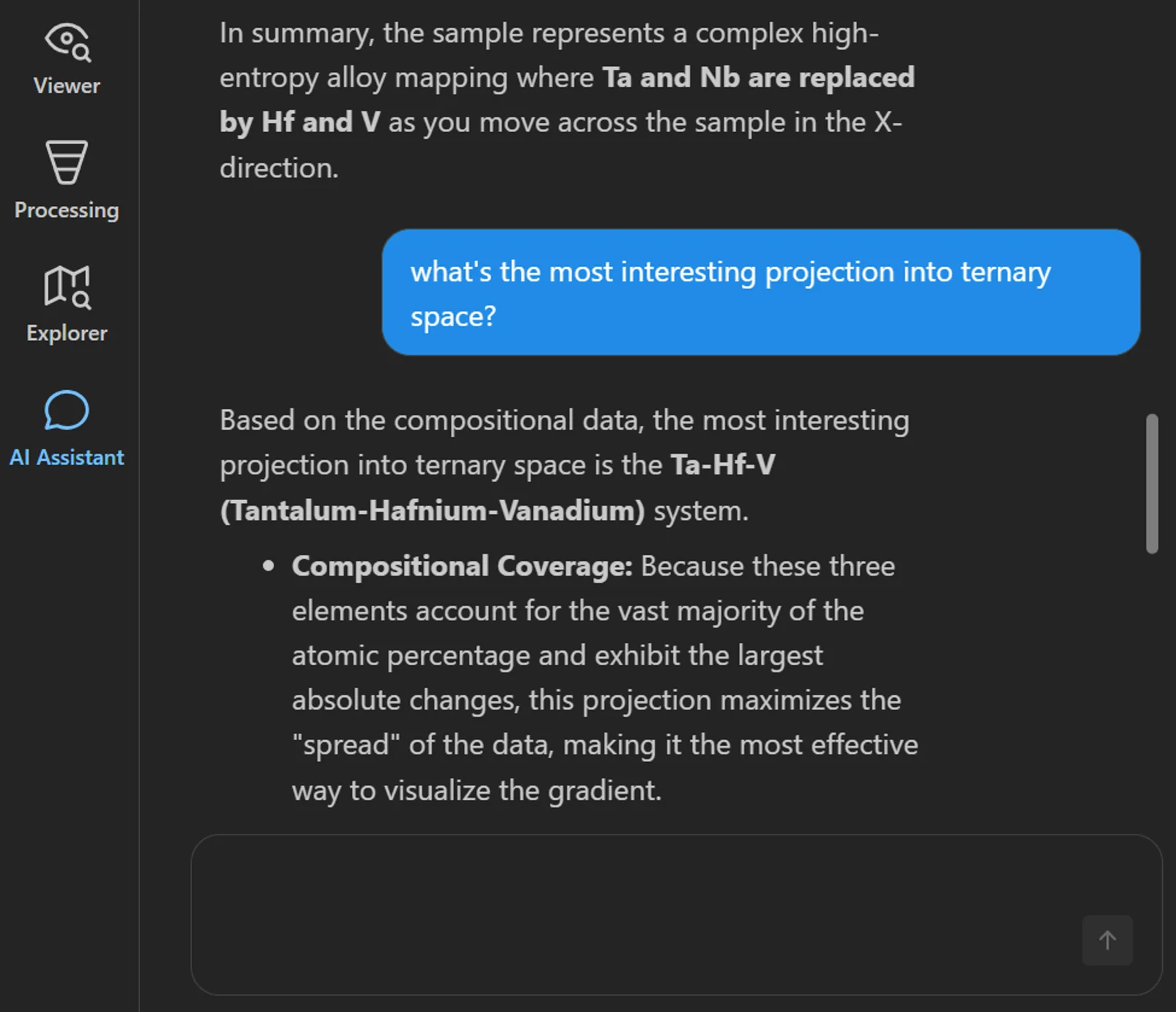
Materials intelligence grounded in experimental data
Connect accumulated physical data to statistical, machine-learning, and physics-informed models. Reveal relationships across composition, structure, processing, and performance; test hypotheses across material spaces; and let prior experiments inform what to investigate next. A domain-specific LLM interface keeps every answer grounded in the underlying measurements and scientific context.
Your experimental data, in context
From raw measurements to final results, every dataset stays connected to its sample and experimental context. Explore, revisit, and share your team’s work in one place.
Connected measurements
Samples, locations, conditions
Traceable results
From raw data to analysis
Shared knowledge
Context that stays with your team
Explore spatial maps and raw signals as they arrive, with every derived result linked back to its source. Compare locations, overlay complementary methods, and build complete analyses in the browser without exporting files or rebuilding plots. The same workflow can be reviewed, shared, and reproduced across researchers and projects.
Connect accumulated physical data to statistical, machine-learning, and physics-informed models. Reveal relationships across composition, structure, processing, and performance; test hypotheses across material spaces; and let prior experiments inform what to investigate next. A domain-specific LLM interface keeps every answer grounded in the underlying measurements and scientific context.
From raw measurements to final results, every dataset stays connected to its sample and experimental context. Explore, revisit, and share your team’s work in one place.
Connected measurements
Samples, locations, conditions
Traceable results
From raw data to analysis
Shared knowledge
Context that stays with your team